
How to Find Reliable US Printing Suppliers in 2026?

Finding a dependable US printing supplier in 2026 requires more than comparing online prices. The right partner should deliver consistent color, accurate finishing, transparent communication, and realistic production schedules. A polished website proves very little. Physical evidence matters more.

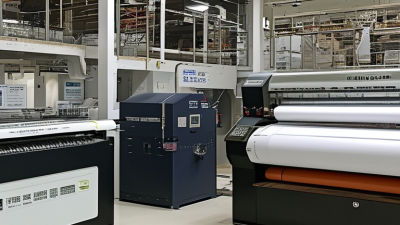
This guide explains how to evaluate us printing companies through practical checks. Request printed samples, not only digital proofs. Examine paper weight, edge quality, ink coverage, binding strength, and packaging protection. Ask where production occurs, who manages quality control, and how reprints are handled. A reliable supplier should answer clearly and provide documentation without unnecessary pressure.

Capacity also deserves careful attention. A small studio may offer personal service, while a larger facility may handle complex volumes more efficiently. Neither option is automatically better. Compare equipment, turnaround promises, minimum order quantities, shipping procedures, and total landed costs. Confirm that estimates include setup, finishing, freight, and possible revision fees.

Look for relevant certifications, responsible material sourcing, secure file handling, and clear business details. Reviews can help, but they may be incomplete or outdated. Verify important claims independently. No checklist is perfect. A supplier can produce excellent brochures yet struggle with urgent packaging work. That weakness matters. Before signing, test communication with a small order and record every agreed specification. Strong suppliers welcome reasonable questions, correct mistakes professionally, and explain limitations early. In 2026, reliability means more than fast production; it means predictable results, accountable service, and a relationship that remains practical when something goes wrong.

How to Find Reliable US Printing Suppliers in 2026?

Defining Your Requirements for a US Printing Supplier

Before searching for a US printing supplier, define the job in measurable terms. State the product type, finished size, page count, paper weight, colors, binding, and expected quantity. Add your delivery address and target date. These details prevent vague quotes and unexpected charges.

A reliable requirement sheet should also describe quality expectations. Request a physical proof, acceptable color tolerance, packaging details, and inspection procedures. Ask how production delays are reported. Confirm shipping methods, payment terms, reprint policies, and relevant safety documentation. I once focused too heavily on unit price and overlooked carton strength. The shipment arrived usable, but several corners were damaged. That mistake changed how I compare suppliers.

Tips: Send the same specification sheet to every candidate. Compare complete costs, not only printing prices. Ask for recent sample work with similar materials. Check whether the supplier can explain its quality controls clearly. Short answers deserve caution. Keep written records of approvals and revisions. A practical timeline should include proofing, production, inspection, and transit. Requirements may need adjustment after testing, especially for folding, color matching, or oversized packaging. That is normal. However, unclear changes can create disputes, so document each decision before production begins.

Checking Supplier Credentials, Capabilities, and Production Standards

Finding a reliable US printing supplier in 2026 requires more than comparing prices. Check the company’s legal registration, insurance coverage, facility address, and years of operating history. Ask for recent production samples, not only polished website images. A trustworthy supplier should explain its paper sources, ink systems, finishing options, and quality-control process clearly. Request references from comparable projects when possible.

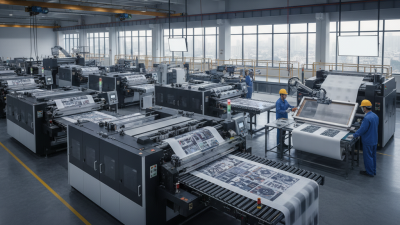
Capabilities must match your actual needs. Confirm press sizes, color management systems, binding equipment, packaging capacity, and average lead times. Ask how the team handles proof approval, damaged materials, reprints, and urgent changes. Production standards should include measurable inspection points, such as color tolerance, trim accuracy, page alignment, and carton protection.

I once focused too heavily on equipment lists and missed communication delays. That mistake changed my evaluation process.

Tips: Send identical specifications to several suppliers. Compare their questions, not just their quotes. Request a physical proof before approving a large run. Review how samples are labeled, packed, and delivered. Ask for documented quality procedures, but verify them during production. A supplier may claim strict inspection while checking only random boxes. Keep written records of approvals and revisions. Also, leave room for human error. Even experienced teams can miss a small color shift or folded corner. Clear checkpoints make those problems easier to catch.

Comparing Quotes, Minimum Orders, Materials, and Delivery Times

How to Find Reliable US Printing Suppliers in 2026?

Comparing quotes requires more than choosing the lowest number. Ask each supplier to price the same paper weight, size, colors, coating, packaging, and shipping terms. A quote should separate setup fees, proofing charges, taxes, and delivery costs. Request a physical sample when color accuracy matters. Digital previews can hide uneven ink or weak folding.

Minimum order quantities affect cash flow and storage. One supplier may accept 100 units, while another requires 1,000. Calculate the cost per usable item, not only the unit price. I once focused on a low MOQ and overlooked expensive packaging. That decision was convenient, but not efficient. Ask whether mixed designs can share one production run. Get the answer in writing.

Materials also reveal a supplier’s practical knowledge. Confirm recycled content, paper thickness, finish, tear resistance, and compatibility with your artwork. For packaging, request compression or moisture guidance if products face rough handling. Delivery times should include proof approval, production, inspection, and transit. A promised five-day turnaround may begin only after payment and artwork approval. Ask for a realistic schedule with milestone dates. Leave room for reprints. Delays happen, and I have underestimated them before. A dependable supplier explains risks early, responds clearly, and provides tracking after dispatch.

How to Find Reliable US Printing Suppliers in 2026? - Comparing Quotes, Minimum Orders, Materials, and Delivery Times

Anonymous U.S. supplier benchmarks for common commercial print projects

2026 Printing Supplier Comparison Table
Supplier Profile Typical Project Estimated Quote
(USD)
Minimum Order Standard Materials Production Time Domestic Delivery Proofing Included Quality Controls Best Fit
Profile A
Digital specialist
500 full-color brochures
8.5 × 11 in., 16 pages
$420–$620 25–50 units 100–120 gsm text; 250–300 gsm cover; recycled options available 2–4 business days 1–3 business days PDF proof; physical proof at extra cost Automated preflight, color calibration, batch inspection Short runs, variable data, urgent reprints
Profile B
Offset commercial printer
5,000 full-color flyers
8.5 × 11 in., 100 lb text
$560–$850 500–1,000 units 70–120 lb text and cover; FSC-certified stocks commonly available 4–7 business days 1–5 business days Digital proof usually included; press proof may cost extra Press checks, spot inspections, production samples Medium and large marketing campaigns
Profile C
Packaging converter
1,000 folding cartons
5 × 3 × 2 in., 18 pt board
$1,450–$2,400 250–500 units 18–24 pt SBS or recycled paperboard; aqueous coating options 7–12 business days 2–5 business days Prototype or dieline proof; tooling may be billed separately Dieline verification, color approval, carton assembly checks Retail packaging and product launches
Profile D
Large-format provider
100 vinyl event banners
33 × 80 in. with hems and grommets
$1,800–$3,200 1–10 units 13 oz or 15 oz scrim vinyl; fabric alternatives available 3–6 business days 1–4 business days Digital proof generally included Resolution review, finishing inspection, random unit checks Trade shows, exhibitions, outdoor events
Profile E
Premium finishing shop
1,000 business cards
16 pt stock with soft-touch coating
$95–$180 100–250 units 14–18 pt cover; uncoated, matte, gloss, and soft-touch finishes 3–7 business days 1–3 business days Digital proof included; physical sample available by request Registration checks, coating inspection, count verification Premium stationery and small branded quantities
Profile F
Book and catalog printer
2,000 perfect-bound catalogs
8 × 10 in., 64 pages
$4,200–$6,800 500–1,000 units 80–100 gsm text; 250–300 gsm cover; matte or gloss coating 8–15 business days 2–6 business days Digital proof included; bound proof may be charged separately Imposition review, binding checks, page-count verification Catalogs, annual reports, and editorial publications
Evaluation note: Quote ranges vary with paper availability, color coverage, finishing, packaging, freight distance, and order volume. Request an itemized quote that separates setup, proofing, production, finishing, shipping, and taxes before selecting a supplier.

Verifying Quality Through Samples, Reviews, and Factory Communication

How to Find Reliable US Printing Suppliers in 2026?

Verifying Quality Through Samples, Reviews, and Factory Communication

A reliable printing supplier should provide physical samples before you place a large order. Examine paper weight, color accuracy, edge sharpness, binding, and packaging. Hold the sample under natural light. Small defects become easier to notice there. Compare the sample with your approved artwork and written specifications. A perfect sample can still mislead if production controls are weak. Ask whether the sample used the same materials and equipment as regular orders.

Customer reviews offer useful evidence, but they require careful reading. Check recent comments, product photos, delivery details, and responses to complaints. Repeated concerns about color shifts or damaged cartons deserve attention. Do not trust only star ratings. Review patterns matter more. I once overlooked a supplier’s vague response about reprints, and that decision created avoidable delays. That mistake changed my checklist.

Factory communication reveals professional habits. Ask who checks files, when quality inspections occur, and how defects are documented. Request a clear production timeline with approval points. A dependable team should explain limitations instead of promising everything. Video calls can help confirm equipment, storage conditions, and order handling. Still, factory tours are not proof of consistent quality. Require inspection photos, batch records, and a written remedy for rejected goods. Keep every measurement and approval in one shared file. Clear records reduce misunderstandings, especially when a rushed message changes the final details.

Selecting a Supplier and Establishing a Reliable Working Process

Finding a reliable US printing supplier in 2026 begins with evidence, not polished promises. Ask for a recent sample pack, production photos, material specifications, and a written quality policy. I compare color accuracy, paper weight, edge finishing, and packaging against a small approval checklist. A supplier that answers clearly is easier to manage when a shipment changes. Request references from comparable order sizes, then verify delivery consistency instead of trusting testimonials alone. This takes time. It saves confusion later.

Before placing a large order, run a paid pilot with measurable checkpoints. Confirm file formats, proof approval, turnaround time, shipping terms, inspection rules, and the contact person responsible for exceptions. Put every detail in one shared document, including acceptable color variation and the process for reprints. During production, request dated photos at prepress, printing, and packing stages. I prefer a brief weekly call when deadlines are tight. Email alone can hide small problems until they become expensive. However, too many checks can slow a simple job, so the process should match the order’s risk.

Reliability also depends on how both sides handle mistakes. Record quantities, defect rates, response times, and delivery dates after each order. Review the data monthly and adjust the checklist when a recurring issue appears. A late proof once taught me to set a buffer before seasonal demand. I still sometimes over-document routine jobs. That is inefficient, but ignoring details is worse. Pay invoices through traceable business channels, protect artwork files, and confirm that subcontracting, data handling, and materials follow applicable US requirements. Keep communication factual, respectful, and easy to audit.

t