10 Best Labels for Printing for Every Business

Choosing labels for printing is not just a matter of picking a size that fits. The right option depends on the printer, the surface, and how the label will be used. A glossy product sticker may look sharp on a jar, while a matte label can be easier to read on a storage bin. Shipping labels face a different challenge: they need clear text and reliable adhesion through handling. Small differences matter.

There is no universal winner. That can be frustrating. Inkjet, laser, and thermal printers use different materials and printing methods, so check the label maker’s compatibility guidance before ordering. Consider adhesive strength, finish, label dimensions, and exposure to moisture, friction, or temperature changes. A label that works well on a clean cardboard box may not stay put on a curved or dusty container. Test a small batch first. It is a simple step, but easy to skip when deadlines are close.

This guide explores 10 best labels for printing across common business needs, from product packaging and mailing to inventory and office organization. Each option has trade-offs in appearance, durability, and ease of use. We’ll look at what each type is designed to handle, what details to check, and where it may fall short. The goal is a practical starting point—not a promise that one label will suit every printer, product, or workflow.
10 Best Labels for Printing for Every Business

How Printed Labels Support Everyday Business Operations

Printed labels keep everyday work moving by making products, shelves, parcels, and equipment easier to identify. A clear product label helps staff check a size or batch without opening every box. Shipping labels guide parcels through handoffs, while shelf labels reduce price and location confusion. Small details matter.

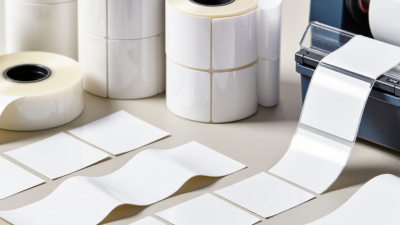
The right label depends on the job. Thermal labels suit frequent shipping because they print quickly, while durable synthetic labels can withstand moisture and repeated handling. Paper labels work well for short-term tasks, such as marking bakery trays or organizing office supplies. Asset labels help teams find shared tools and record maintenance. For retail, barcode labels connect a physical item with its inventory record. Each type solves a different problem; one roll rarely fits every station.

Good printing starts with legible text, consistent placement, and a surface that accepts adhesive. A label that peels from a cold container creates extra work, even if the design looks polished. Test a few labels on the actual packaging before ordering in volume. Test before scaling. It is easy to overlook how hands, dust, and condensation affect readability during a busy shift. Review labels when products or workflows change, and keep essential details visible without crowding the design. A little trial and error is normal. Teams may still discover a poor fit only after a full day of packing.
Key Factors for Choosing Labels for Different Business Needs

The best label depends on its job, its surface, and the conditions it must withstand. A chilled container needs material that resists moisture and cold; a warehouse carton may need a strong adhesive that stays attached through handling. Paper labels can suit dry indoor shelves, while synthetic materials often hold up better around splashes or friction. Check the printer type, too. Inkjet and thermal printers use different label constructions, and the wrong match can cause smudging or feeding problems.

Measure the label area before ordering, including curves, seams, and narrow edges. A barcode needs enough clear space to scan, while product details must remain readable at the actual print size. Consider adhesive strength: removable labels help with temporary bins, but permanent ones are more reliable on shipping boxes. Test a small batch on the real surface. Give it time in the intended environment. A label that looks fine at a desk can curl in a refrigerator or peel from dusty cardboard. That is easy to overlook. Compare print clarity, adhesion, and durability, then adjust the material or size if the first choice falls short. No single label suits every business, and a practical test can reveal flaws that a product description cannot.

Choosing Label Materials for Different Business Needs

A qualitative comparison of common label face materials across practical selection factors.

Ratings use a relative 1–5 scale, where 5 indicates a stronger fit for that factor. Paper is typically a cost-effective choice for dry, short-term uses; polypropylene suits many moisture-exposed applications; polyester is often chosen for demanding durability needs. Actual performance depends on the adhesive, printer, environment, and specific product—check supplier specifications before ordering.

Ten Common Label Types and Their Practical Uses

Paper labels suit short-lived packaging, shelf tags, and price stickers. They print clearly and cost less, but moisture can wrinkle them. Direct thermal labels work well for receipts and fast-moving parcels. They need no ribbon, though heat and sunlight can fade the print. Thermal-transfer labels use a ribbon and usually last longer on storage bins or product packaging. Check printer compatibility before ordering; that small detail is easy to miss.

Removable labels help with temporary promotions, sample containers, and reusable bins. Test them on the actual surface first. Adhesive can leave residue, especially on soft plastic. Permanent labels are better for cartons or equipment that should keep its identification. Synthetic waterproof labels resist splashes and handling, making them useful for bottles, coolers, or damp work areas. Not every surface behaves. Dust and curved edges can still weaken adhesion.

Barcode labels support scanning in stockrooms and at checkout, but crisp printing and correct sizing matter. Shipping labels need legible addresses and enough space for carrier markings. Warning labels make hazards or handling instructions visible; use clear wording and strong contrast. Asset labels identify tools, computers, and other business equipment over time. A serial number may help, but only if staff record it consistently. Labels are small, yet poor placement can make them nearly useless.

10 Best Labels for Printing for Every Business — Ten Common Label Types and Their Practical Uses

Label Type Typical Material or Adhesive Common Printing Method Practical Uses Key Selection Consideration
Paper Labels Coated or uncoated paper with a general-purpose adhesive Laser, inkjet, or thermal transfer, depending on the label stock Product packaging, address labels, file identification, and short-term indoor labeling Cost-effective and easy to print, but generally less resistant to moisture, abrasion, and outdoor exposure than synthetic materials.
Direct Thermal Labels Heat-sensitive paper or synthetic face stock Direct thermal printer; no ink or ribbon is normally needed Shipping labels, receipts, queue tickets, and short-life product labels Heat, sunlight, and friction can darken or fade the print. Choose them when labels are used for a relatively short period.
Thermal Transfer Labels Paper or synthetic stock, printed with a compatible ribbon Thermal transfer printer Inventory labels, product identification, asset tracking, and labels requiring durable printed text or barcodes Match the ribbon and label face material to the required resistance to smearing, chemicals, moisture, and abrasion.
Removable Labels Paper or film with a removable pressure-sensitive adhesive Laser, inkjet, or thermal printing, as specified for the product Temporary pricing, event identification, reusable containers, and short-term instructions Removal performance depends on the surface, application time, temperature, and adhesive. Test before use where residue is unacceptable.
Permanent Adhesive Labels Paper or film with a permanent pressure-sensitive adhesive Laser, inkjet, or thermal printing, depending on the material Product identification, packaging, equipment marking, and general-purpose labeling Designed for a stronger bond than removable labels, but adhesion still varies with surface cleanliness, texture, and temperature.
Weather-Resistant Synthetic Labels Polyester or polypropylene face stock with a suitable adhesive Usually thermal transfer; some stocks support compatible laser or inkjet printers Outdoor equipment, storage containers, chemical-resistant identification, and damp environments Confirm compatibility among the label, printer, ribbon or ink, and exposure conditions. “Water-resistant” does not necessarily mean resistant to every chemical or UV exposure.
Clear Labels Transparent film, commonly polyester or polypropylene Compatible inkjet, laser, or thermal transfer process, according to the stock Product packaging, glass containers, windows, and applications where the surface should remain visible Check printer compatibility and contrast. White ink is not available on many standard desktop printers, which can make light-colored text difficult to read.
Freezer Labels Paper or film with an adhesive formulated for cold or frozen surfaces Thermal transfer or another method supported by the selected label stock Frozen food packages, laboratory samples, and cold-storage inventory Choose labels specifically rated for the application temperature. Surface moisture and condensation can affect adhesion, especially during application.
Tamper-Evident Labels Security film or destructible material with a specialized adhesive Usually thermal transfer or a compatible digital printing method Warranty seals, access control, product packaging, and closures that should show evidence of removal These labels can reveal tampering through tearing, residue, or a visible message, but they do not by themselves guarantee product authenticity or prevent every form of tampering.
Barcode and Asset Labels Paper or durable synthetic stock with an adhesive suited to the asset surface Thermal transfer or direct thermal; other methods are possible with suitable materials Inventory control, equipment records, library items, and warehouse tracking Use an appropriate barcode size and strong print contrast, then verify that the code scans after printing and remains readable for the required service life.

Matching Label Materials and Adhesives to Products and Environments

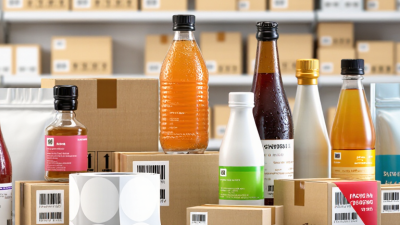
Choosing a label starts with the surface and the conditions it will face. Paper labels suit dry, indoor products, such as pantry jars or shipping cartons. They print clearly, but moisture can wrinkle them or blur the image. For chilled bottles, damp containers, or products handled often, a film label may hold up better. Match the material to the product, not just the printer.

Adhesive matters just as much. A permanent adhesive can grip clean glass or rigid plastic, while removable adhesive may work for reusable containers. Cold surfaces, textured packaging, and condensation can weaken a bond. A label that sticks well at room temperature may lift after a night in a refrigerator. There is no universal best choice, and appearance alone can be misleading. Testing a small batch is less glamorous, but it can prevent waste.

Tips: Apply sample labels to real products, then expose them to expected conditions: cold, moisture, rubbing, or sunlight. Check the edges after a day. If they curl, reconsider the adhesive or surface preparation. A quick test will not predict every problem, but it gives useful evidence.

Printer Compatibility and Label Selection by Business Sector

Printer compatibility starts with the print method, not the label’s appearance. Direct-thermal printers need heat-sensitive stock; thermal-transfer printers need compatible ribbon and face material. Inkjet and laser devices require sheets or rolls designed for their feeding and printing systems. Check label width, roll diameter, core size, sensor position, and printer settings before ordering. Small details matter.

Different sectors place different demands on labels. A warehouse may need durable, scannable labels that stay legible on cartons and shelving. Retail teams often prioritize crisp barcodes and easy application on product packaging. Food businesses should consider moisture, refrigeration, and surface conditions, while healthcare operations may need labels that remain readable through frequent handling. Match adhesive strength to the actual surface; a label that works on clean cardboard may lift from a chilled container.

Run a small test batch on the intended printer and product surface. Check for smudging, edge lift, missed feeds, and barcode readability under normal lighting. A quick test can still miss problems that appear after storage, so review samples after a few days. It is tempting to choose the cheapest roll, but wasted stock and reprints can cost more. My own selection process would not be perfect: printer wear, room humidity, and rushed application can change the result.

t