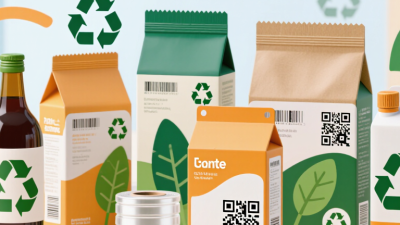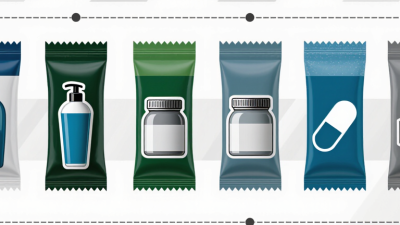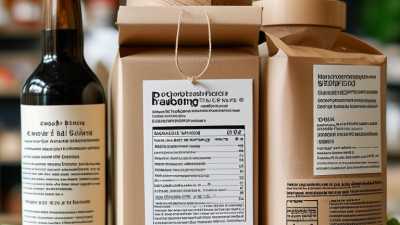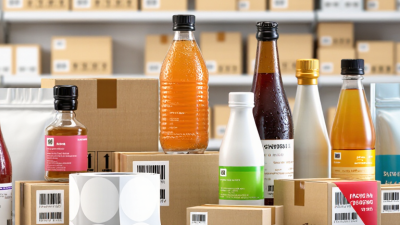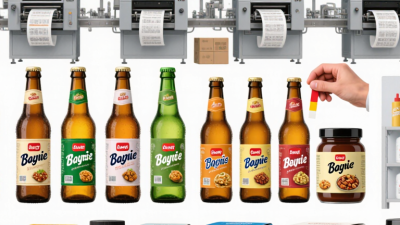
Packaging labels do more than display a brand name. They carry product details, withstand handling, and help packages stand out on crowded shelves. In 2026, print packaging labels come in several formats, each suited to different containers, production lines, and design needs. A glass jar, a flexible pouch, and a curved shampoo bottle rarely call for the same solution. Small choices matter.
This guide introduces leading options, including pressure-sensitive labels, shrink sleeves, wraparound labels, and in-mold labels. Pressure-sensitive versions are applied with adhesive and work across many package shapes. Shrink sleeves conform closely to containers, offering broad space for graphics. Wraparound labels can suit high-volume cylindrical packages, while in-mold labels become part of certain molded containers during production. Each type has trade-offs. Adhesion, moisture exposure, application speed, and print quality can change the result.
We will compare these formats by their practical strengths, common uses, and points to check before choosing. Material and finish matter, too: a glossy label may look vivid under store lighting, while a matte surface can feel more understated. Compatibility with packaging materials and recycling systems also deserves attention; claims should be checked for the specific product and market. That sounds neat. It isn't always. Real production lines bring limits, and a sample that looks perfect on a desk may wrinkle or scuff in use. The goal is not to name one universal winner, but to help match a label type to the package, product, and conditions it must face.
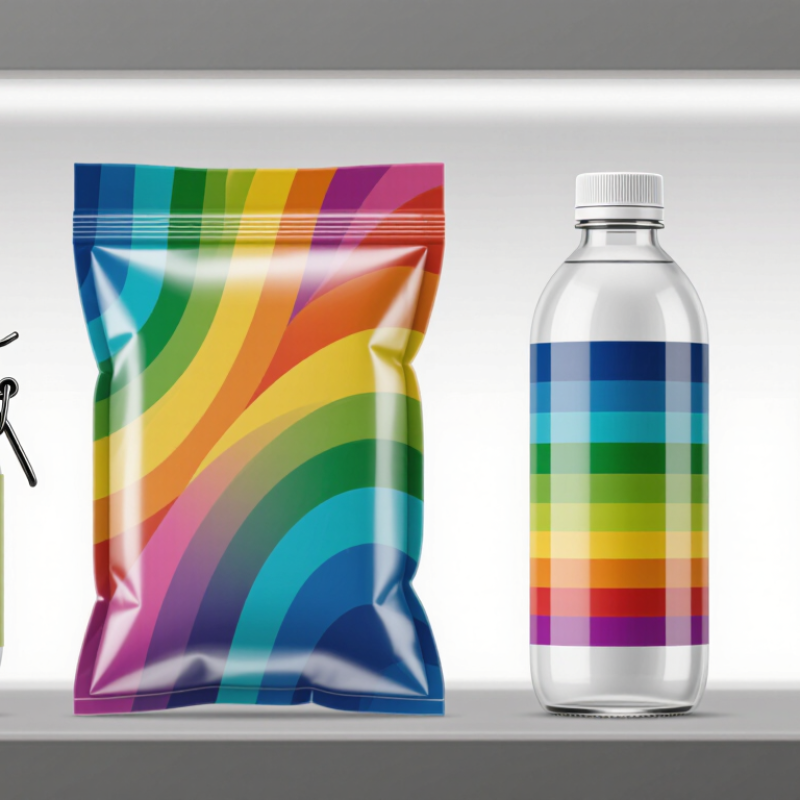
In 2026, print packaging labels do more than display a product name. They identify contents, carry practical instructions, and help shoppers compare items on a crowded shelf. A clear label can also reduce confusion during storage or use. Small details matter: readable text, strong contrast, and a barcode that scans under ordinary store lighting.
Different label types serve different packaging needs. Pressure-sensitive labels adhere with a peel-and-stick backing and suit bottles, jars, and cartons. Shrink sleeves fit curved containers and offer broad areas for printed information. Wraparound labels work well on cans and cylindrical packs, while in-mold labels become part of certain molded containers. Each has trade-offs. A sleeve may cover more surface, but its fit and finish depend on accurate sizing.
Labels also connect packaging to production. They must stay attached through filling, transport, and handling, even when a container is cold or slightly damp. Material, adhesive, ink, and surface texture all affect performance. Test the actual package. A sample label may look fine on a desk, then wrinkle on a fast-moving line. That detail is easy to miss. Choosing a format also means considering whether the label can be separated from its container during disposal; real-world sorting is not always as simple as packaging diagrams suggest.
Pressure-sensitive labels use an adhesive that bonds when light pressure is applied. They suit varied package shapes, from flat cartons to curved jars. Rolls can feed quickly through many automated labeling systems, and small production runs are often practical. The trade-off is surface preparation: dust, moisture, or condensation can weaken the bond. A label that looks secure on a dry sample may lift in a chilled storage room. Small details matter.
Glue-applied labels receive adhesive during application, then meet the package under pressure. They are common on glass bottles and paperboard containers, especially in high-volume operations. Application conditions matter: adhesive viscosity, temperature, and line speed can affect placement and adhesion. A practical evaluation should include the actual container, not just a paper mock-up. I would not assume that one adhesive works equally well on every surface.
Thermal labels divide into direct thermal and thermal-transfer types. Direct thermal stock darkens under a heated printhead and needs no ribbon, but heat and prolonged light may fade the image. Thermal transfer uses a ribbon, which can produce more durable text or barcodes when the right materials are paired. Check readability after expected handling, storage, and transport. There is no perfect label; sometimes the first choice needs revisiting.
In 2026, print packaging labels are judged by more than shelf appeal. Shrink-sleeve, in-mold, and wraparound systems each suit different containers and production needs. Shrink sleeves use heat to conform printed film around a container, including curved shoulders and unusual shapes. They can provide broad, vivid coverage. The fit matters. A sleeve may look smooth on a sample, then wrinkle around a container’s narrow waist during production. Testing the film, artwork, and heat settings together can prevent costly surprises.
In-mold labels are placed inside a mold before a plastic container is formed. The label bonds with the container during production, creating a smooth surface without a separate label edge. This can help resist scuffing in handling. But changing the label design may require closer coordination with molding operations and longer preparation. It is a durable option, not always the most flexible one.
Wraparound labels circle cylindrical containers, often with a small overlap or seam. They work well for bottles and cans that need clear product information and efficient application. A precise label position keeps the seam tidy and text easy to read. Adhesive choice also matters, especially when containers are cold or damp. None is perfect. The practical decision depends on container shape, line speed, desired coverage, and how the package will be handled after labeling.
In 2026, label performance depends on the package, product, and journey—not just shelf appeal. Paper labels suit dry goods and provide a natural texture, but moisture can soften edges or blur printed detail. Film labels, including polypropylene and polyethylene, resist water and abrasion. They work well on chilled bottles and curved containers, though their stiffness and adhesive must match the package. Smithers’ report The Future of Labels and Release Liners to 2028 forecasts the global label market will reach $67.9 billion by 2028. That growth makes material selection more consequential, not simpler.
Printing methods change what each material can deliver. Flexographic printing handles long runs efficiently, while digital printing supports short runs, variable information, and frequent artwork changes. Gravure can produce consistent color at high volumes, but its setup costs may not suit smaller batches. On a glossy film, ink adhesion and curing deserve close attention; on textured paper, fine type may lose sharpness. Trade-offs matter. A label can look excellent on a sample and still wrinkle on a fast filling line. Test before scaling. Compare scuff resistance, condensation exposure, adhesive behavior, and barcode readability under actual storage and handling conditions. Industry forecasts describe market demand; they cannot replace testing on the specific package.
| Label Type | Common Materials | Common Printing Methods | Performance Characteristics | Typical Applications | Key Considerations |
|---|---|---|---|---|---|
| Paper pressure-sensitive labels | Coated or uncoated paper face stock with a pressure-sensitive adhesive and release liner | Flexographic, offset, digital inkjet, or digital toner | Versatile, easy to print with fine detail, and available in a wide range of finishes. Performance depends on the paper coating, adhesive, and exposure conditions. | Dry goods, cartons, jars, bottles, and general retail packaging | Uncoated paper can absorb moisture and scuff more readily. Select a suitable coating or laminate when greater rub or moisture resistance is needed. |
| Film pressure-sensitive labels | Polypropylene (PP), polyethylene (PE), or polyester (PET) face stock | Flexographic, digital inkjet, or digital toner; screen printing may be used for selected designs | Typically offers better moisture resistance and tear resistance than paper. PP is commonly used for conformable packaging; PET provides higher dimensional stability. | Beverage and personal-care containers, household products, and products exposed to damp conditions | Film choice affects conformability, clarity, stiffness, and recyclability. Adhesive and container compatibility should be tested together. |
| Wet-glue paper labels | Paper label stock applied with a wet adhesive, commonly starch- or casein-based formulations | Offset or flexographic printing; gravure may be used for high-volume work | Can be applied at high speeds on suitable packaging lines and is often used on glass. The adhesive activates during application, so the process requires compatible equipment. | Glass bottles, jars, and returnable beverage containers | Application conditions, container surface, adhesive, and drying time influence label placement and bond quality. Not all paper or ink systems are suited to wet environments. |
| In-mold labels | Polypropylene film or other compatible synthetic label stock | Flexographic, offset, or gravure printing, followed by placement in the mold during container production | The label becomes integrated with the molded container, avoiding a separate label-application step and providing strong resistance to peeling. | Molded plastic tubs, pails, and selected food or household-product containers | Requires coordination between label design, material, mold, and production process. It is generally most suitable when the container is made using a compatible molding method. |
| Shrink-sleeve labels | Heat-shrinkable PETG, PVC, OPS, or polyolefin films | Flexographic or gravure printing; digital printing is also used for suitable runs and specifications | Conforms to curved or irregular containers and can provide broad, 360-degree graphics. Shrink performance depends on film choice and container geometry. | Bottles, cans, and containers with tapered or contoured shapes | Requires controlled heat application and accurate sleeve seaming and registration. Material selection should account for package design and recycling requirements. |
| Direct thermal labels | Heat-sensitive coated paper, usually supplied as pressure-sensitive labels | Direct thermal printing; the printhead heats the coating without using a ribbon | Well suited to variable information and on-demand printing. Image durability can be limited by heat, light, abrasion, and time, depending on the label grade. | Shipping, logistics, price marking, and short-life product identification | Use a thermal-transfer or protected label construction when longer-lasting marks or greater resistance to environmental exposure is required. |
| Thermal-transfer labels | Paper or synthetic face stock with a compatible adhesive | Thermal-transfer printing using a ribbon selected for the face stock and durability needs | Can produce durable variable data, including barcodes and text. Resistance varies with the combination of label material, ribbon, and application surface. | Product identification, inventory, laboratory, and industrial packaging labels | Ribbon and face stock must be matched. Testing is recommended for chemical exposure, abrasion, temperature, or outdoor use. |
| Security and tamper-evident labels | Paper or film constructions with destructible, void-forming, or other tamper-indicating features | Flexographic, digital, or screen printing, sometimes combined with variable-data printing or specialty features | Designed to show evidence of opening, removal, or alteration. The visible result depends on the construction and the surface to which the label is applied. | Seals, cartons, medical packaging, electronics, and controlled products | A tamper-evident label is an indicator, not a guarantee against every form of interference. Validate adhesion and tamper response on the actual package surface. |
Selection note: Label performance depends on the complete construction—including face material, adhesive, ink, coating or laminate, package surface, and application conditions. Validate the chosen specification on the finished package and production line.
Choosing a packaging label for 2026 starts with the package’s actual journey, not a trend board.
Pressure-sensitive paper labels work well on dry cartons and jars. Film labels better tolerate condensation, oils, and chilled storage. For shipping, direct thermal labels make variable-data printing simple, while digital inkjet or toner printing suits short runs and frequent design changes.
Match the adhesive to the surface, temperature, and time in use. Test a finished package in realistic conditions: refrigeration, rubbing, and a damp wipe. Small checks matter.
Use strong contrast and leave clear space around barcodes or QR codes. Sustainability also needs a closer look. A recyclable label does not guarantee that the whole package is recyclable; label material and adhesive can affect sorting.
Ask a packaging recycler or converter about compatibility before committing. I would still run a small production trial—specifications can miss the little things, like a label lifting at a cold carton’s edge.