Global buyers rarely purchase a banner for material alone. They choose for viewing distance, installation time, wind exposure, finish, and reuse. A vinyl banner beside a busy road needs different strength and visibility from a fabric backdrop inside a hotel ballroom. Small details matter. A glossy surface can sharpen color, yet reflect harsh lights. A lighter substrate can reduce freight costs, yet crease more easily during handling.
Smithers’ report, The Future of Global Printing to 2028, estimated the worldwide print market at $818.1 billion in 2023 and projected $846.8 billion by 2028. That figure covers print broadly, not banners alone, but it signals a large, changing supply landscape. FESPA CEO Neil Felton has emphasized adapting print businesses to changing customer needs. I cannot verify a banner-specific verbatim quotation from him, so I will not put invented words in his mouth. That matters. Trust begins with careful sourcing, not polished claims.
This guide compares the main printing banner types for global buyers: PVC, mesh, fabric, and recyclable alternatives. It considers print quality, durability, transport, finishing, and the conditions each type must withstand. A product sample can reveal more than a specification sheet. Check the hem, eyelets, color under real lighting, and how the material folds after packing. No option wins every job. The right choice depends on where the banner will hang, how long it must perform, and what happens after removal. Some trade-offs remain imperfect. They deserve a closer look.
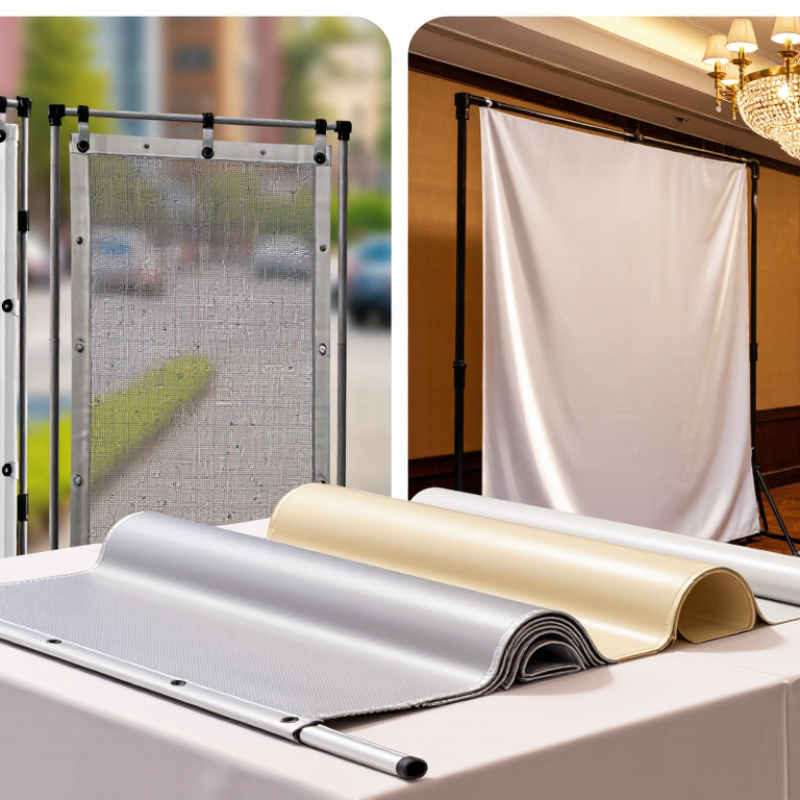
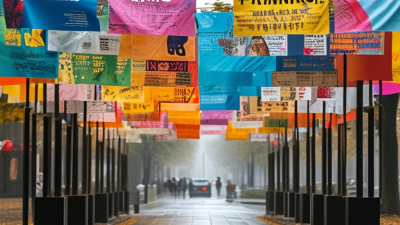
Printing banners are large-format signs with images or text applied to flexible material. They help businesses share messages where people can see them quickly, from shop entrances to trade-show booths. Common uses include event schedules, product displays, directional signs, and temporary promotions.
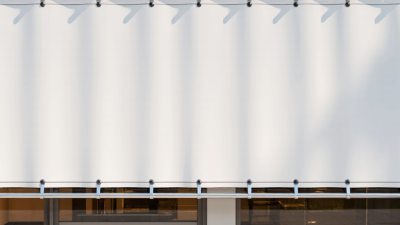
Material affects appearance and performance. Vinyl often gives sharp color and wipes clean, while fabric can reduce glare under bright indoor lights. Outdoor banners may need reinforced edges and sturdy grommets to handle wind. A banner exposed to direct sun can fade sooner, depending on its inks and material. Small details matter. Check the finished size, viewing distance, and mounting points before printing. A headline meant for passing drivers should use large, high-contrast lettering; fine print may disappear from across a road.
Placement changes everything. Before ordering, measure the wall or frame and consider whether people will view the banner close up or from across a room. For outdoor use, allow space for airflow and secure each corner with suitable ties. Indoors, fabric can fold for transport, but creases may need careful smoothing. There is no perfect material for every setting. Even a well-made banner can disappoint if it is too small, poorly lit, or blocked by foot traffic. A quick site check can prevent that costly mistake.
| Banner Type | Common Material | Typical Printing Methods | Common Uses | Key Advantages | Things to Consider | Typical Environment |
|---|---|---|---|---|---|---|
| PVC Flex Banner | Coated or laminated PVC film, available in a range of weights and finishes | Solvent, eco-solvent, latex, or UV printing, depending on the material and printer | Retail promotions, event signage, building wraps, and temporary outdoor advertising | Versatile, widely available, and suitable for many large-format applications | Less breathable than mesh; consider wind load, local disposal options, and the intended exposure period | Indoor or outdoor; use and service life depend on grade, installation, weather, and print system |
| PVC Mesh Banner | Perforated PVC-coated mesh fabric | Solvent, eco-solvent, latex, or UV printing, subject to material compatibility | Fences, scaffolding, construction sites, and exposed outdoor event structures | Open mesh allows some air to pass through and can reduce wind resistance compared with a solid sheet | Perforations can make fine text and small details less visible; secure installation is important | Primarily outdoor locations where airflow through the banner is useful |
| Blockout Banner | Opaque multi-layer or black-backed banner material, often PVC-based | Solvent, eco-solvent, latex, or UV printing, depending on the product | Double-sided signs, hanging displays, and locations where background show-through is unwanted | Blocks much of the light and visual interference from behind the printed surface | Usually heavier than standard banner material; check hanging points and support requirements | Indoor or outdoor, depending on the selected material and finishing |
| Backlit Banner | Translucent PVC film or coated polyester designed to transmit light | UV, latex, or solvent printing, with ink settings selected for backlit viewing | Illuminated display boxes, transit signage, and lighted promotional displays | Designed to display graphics when illuminated from behind | Color and brightness can look different with and without illumination; proof under the intended lighting conditions | Indoor or sheltered illuminated displays; outdoor suitability varies by construction |
| Polyester Fabric Banner | Woven or knitted polyester, sometimes with a coating or finishing treatment | Dye sublimation for compatible polyester fabrics; also UV or latex for suitable coated materials | Trade shows, indoor events, retail displays, stage backgrounds, and hanging graphics | Lightweight, foldable, and often less reflective than a smooth plastic banner | Check crease behavior, edge finishing, washing instructions, and whether the fabric needs a coating | Most common indoors; outdoor use depends on fabric, print, finishing, and weather exposure |
| Canvas Banner | Textured cotton, polyester, or blended canvas, often treated for printing | UV, latex, or solvent printing on compatible canvas; method depends on coating and fiber content | Decorative displays, interior promotions, exhibitions, and art-style signage | Textured surface gives graphics a less glossy, more fabric-like appearance | Texture can soften small details; confirm the material’s coating and intended cleaning method | Usually indoor; many canvas products are not intended for prolonged outdoor exposure |
| Paper Banner | Coated or uncoated poster paper, sometimes with a reinforced or weather-resistant finish | Aqueous inkjet, latex, or other methods specified for the paper coating | Short-term indoor promotions, window graphics, and event signage | Lightweight and suitable for temporary indoor display applications | Paper can tear or deform when exposed to moisture; mounting and handling affect performance | Primarily dry indoor settings; outdoor use requires a product specifically rated for it |
Buyer note: Material names cover broad product categories. Confirm printer compatibility, fire and safety requirements, finishing, installation conditions, and local environmental rules with the supplier before ordering.
Banner performance begins with the material, not just the printed design. Coated PVC is a common choice for outdoor displays because it resists moisture and holds bold colors well. Its smooth surface makes text and photographs look sharp. It can feel heavy, though, especially in large formats.
Polyester fabric is lighter and folds into a smaller package. It often produces a softer, less reflective finish, which suits indoor displays and photography. Mesh PVC has small openings that let wind pass through, reducing strain on a banner in exposed locations. The openings can also make fine details less clear. Not every site agrees.
For longer outdoor use, check the material weight, coating, edge finishing, and stated exposure conditions together. A strong sheet can still fail at a weak seam. Hemmed edges and reinforced eyelets help distribute pulling force, but installation matters too. A banner stretched tightly across uneven supports may wear faster. Fabric can crease during shipping; some creases ease after hanging, but results vary. A small sample viewed in the intended lighting can reveal glare, color shifts, or texture that a screen preview misses.
Common Banner Materials and Their Key Properties
Basis weight is one factor in selecting a banner: heavier materials may suit demanding outdoor use, while lighter fabrics can be easier to transport and display. These indicative ranges vary with coating, weave, and product construction; check the product specification for exact values.
Global buyers can choose from several main printing banner types, each suited to a different setting. PVC-coated vinyl is a common choice for storefront promotions and event fencing because it prints vividly and handles light rain. Mesh banners have small perforations that let wind pass through, making them useful on exposed fences; the trade-off is slightly softer image detail. Polyester fabric banners fold easily and reduce glare indoors, while backlit film is designed for illuminated displays. PVC-free substrates are also available, but their durability and recycling options vary by material and local facilities.
The scale of print demand gives buyers a reason to compare carefully. Smithers’ The Future of Global Printing to 2027 estimated the global print market at about US$818.5 billion in 2022. That figure covers print broadly, not banners alone. For a banner order, confirm viewing distance, finished dimensions, hem and eyelet placement, ink compatibility, and the display environment. A glossy sample can look excellent under showroom lights, then disappoint outdoors. No material is perfect; I would still request a test print before approving a large run.
Tips: For windy sites, consider mesh and ask the supplier about suitable fixing points. For indoor fabric, check whether the graphic can be washed or reused. Confirm destination-market specifications before production. A tiny proof can prevent a costly mismatch.
Choosing a banner starts with its purpose, not its color. Fabric works well for indoor displays where soft folds and low glare matter. Vinyl suits many storefront promotions because it wipes clean and handles repeated use. For a short event, lightweight paper may be enough. Consider viewing distance: small text can disappear across a busy aisle. Less is clearer.
Location changes the material choice. Near a sunny window, check whether the print and substrate are rated for prolonged light exposure; indoor banners can fade outdoors. On a fence or open-sided stand, mesh may reduce wind pressure, though its holes can soften fine details. Check the hems, grommets, and support frame as a set. A sturdy panel can still tear at a weak corner. That detail is easy to miss.
Durability depends on more than the substrate. Frequent rolling, damp storage, and rough transport can shorten a banner’s useful life. Let it dry before packing, and store it loosely rolled rather than sharply folded. For a campaign lasting months outdoors, request written specifications for exposure, cleaning, and finishing. Compare them with conditions at the actual site. Supplier estimates can miss real-world wear, so testing a sample is sensible when timing allows.
For international banner orders, the material should match the display location and expected use. Mesh can reduce wind load on exposed fences, while blockout materials help prevent images showing through from the reverse side. Ask the printer to confirm the substrate weight, print width, and intended viewing distance. A crisp indoor graphic may need different settings from a banner viewed across a busy road.
Printing is only part of the result. Check whether the quoted process suits the artwork, especially for small text, gradients, and large areas of solid color. Request a physical sample when color accuracy matters. Screens can mislead. Finishing details deserve equal attention: welded hems, reinforced corners, and correctly spaced grommets affect how a banner hangs and withstands handling. Specify the finished dimensions, not just the design size.
For cross-border sourcing, compare complete specifications rather than price per square meter alone. Confirm packing method, roll or folded shipment, production time, and who checks the artwork before printing. Ask for written tolerances on dimensions and color, since “close enough” can mean different things across suppliers. A sample is useful, but it may not represent every production run perfectly. That limitation is worth discussing before approving a large order.